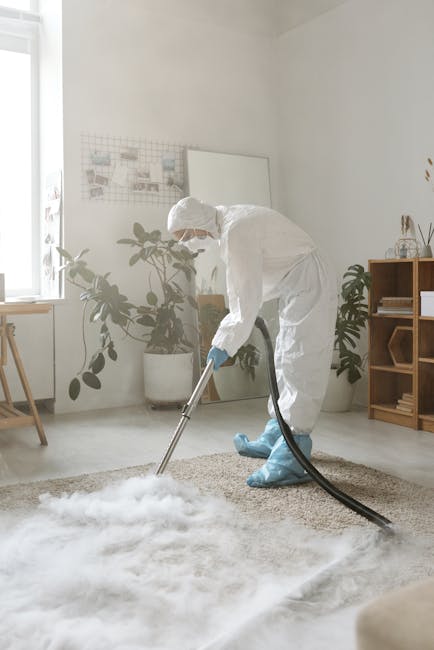
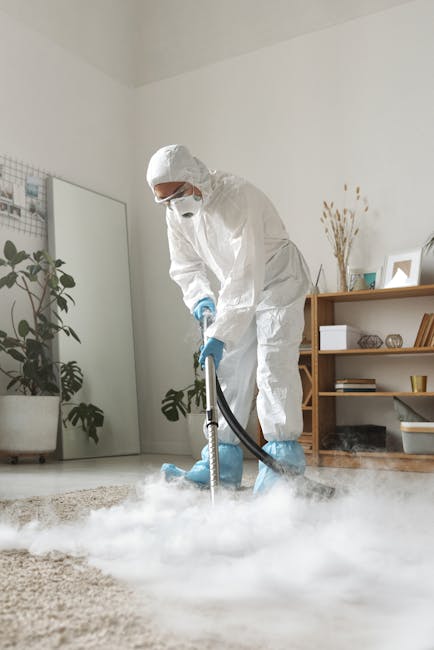
Norbiton end of tenancy cleaning and carpet care KT2
Moving out in Norbiton can feel deceptively simple at first. Boxes are stacked, the keys are nearly ready, and then you look at the skirting boards, the oven, and the living room carpet that has somehow collected a whole story of its own. That is where Norbiton end of tenancy cleaning and carpet care KT2 comes in. Done properly, it helps tenants hand back a home in a condition that meets common rental expectations, while also reducing the friction that so often appears at the end of a tenancy.
This guide explains how the process works, what matters most, where people usually go wrong, and how to approach carpets without turning a routine move-out into a stressful, last-minute scramble. If you are leaving a flat near Norbiton station, a family house off the main road, or a shared property closer to Kingston, the same principle applies: good cleaning is not about making the place look "nice"; it is about restoring it carefully and consistently.
For readers comparing services, you may also find it useful to look at the wider end of tenancy cleaning in Kingston page, along with the company's broader services overview and carpet cleaning in Kingston service. Those pages help place the Norbiton work in a wider local context.
Table of Contents
- Why Norbiton end of tenancy cleaning and carpet care KT2 Matters
- How Norbiton end of tenancy cleaning and carpet care KT2 Works
- Key Benefits and Practical Advantages
- Who This Is For and When It Makes Sense
- Step-by-Step Guidance
- Expert Tips for Better Results
- Common Mistakes to Avoid
- Tools, Resources and Recommendations
- Law, Compliance, Standards, or Best Practice
- Options, Methods, or Comparison Table
- Case Study or Real-World Example
- Practical Checklist
- Conclusion
- Frequently Asked Questions
Why Norbiton end of tenancy cleaning and carpet care KT2 Matters
End of tenancy cleaning is one of those jobs that looks straightforward until you are actually standing in the property with a vacuum in one hand and a list of overlooked details in the other. In Norbiton, where homes range from compact rentals to larger multi-room properties, the expectations can vary slightly, but the underlying aim is the same: leave the home clean enough for inspection and ready for the next occupant.
Carpets matter especially because they carry the most visible signs of daily life. Foot traffic near entrances, food spills in dining areas, pet odours, ground-in dust, and those faint marks that only show up once the furniture is moved, all of it becomes part of the final impression. A carpet that looks dull or patchy can make an otherwise tidy property feel unfinished. Truth be told, that is often where disputes start.
There is another reason this work matters: time. Most people do not have the luxury of three spare days at the end of a tenancy. You are usually juggling removals, address changes, meter readings, and the mild chaos that comes with moving. So a properly planned clean is not just about appearance; it is about reducing pressure.
Expert summary: In practice, the best move-out results come from treating the property as a system. Clean the hard surfaces, remove residue, finish the kitchen and bathroom to a high standard, and then give the carpets the attention they need so nothing feels "left behind".
For Norbiton tenants, landlords, and letting agents, that final detail can make the difference between a smooth handover and a further round of cleaning requests. If you want a broader sense of the local service environment, the company's about us page gives useful background, and the insurance and safety information is worth checking for peace of mind.
How Norbiton end of tenancy cleaning and carpet care KT2 Works
The process usually begins with a property walkthrough, even if it is only a mental one. You identify what needs full cleaning, what needs spot treatment, and what can be handled through routine maintenance. A good move-out clean is methodical rather than dramatic. That sounds obvious, but it is the point many people miss.
First come the high-impact areas: kitchen, bathroom, floors, and visible surfaces. Then the less obvious but very important details: switches, handles, sockets, door frames, tops of doors, window ledges, and the edges where dust likes to gather. After that, the carpet care stage can begin. Depending on the carpet type and condition, this may mean vacuuming, stain pre-treatment, hot water extraction, low-moisture cleaning, or a careful combination of methods.
In many KT2 properties, carpets are the biggest variable. A hallway carpet near the front door behaves differently from a bedroom carpet that has had little wear. Stairs are different again; they trap debris in the nosing and along the corners. If there has been a pet in the property, odour and embedded hair become part of the job, and that needs proper attention rather than a quick once-over.
It also helps to understand what professional cleaning is trying to achieve. The goal is not to make an old carpet look brand new forever. That would be unrealistic. The goal is to restore it as far as reasonably possible, remove loose soil, improve freshness, and present it in a condition that reflects regular, responsible care.
For people who need help beyond a single move-out, related services such as domestic cleaning in Kingston upon Thames and house cleaning in Kingston may also be worth exploring. That is especially useful if you are moving out and into another property on a tight timeline.
Key Benefits and Practical Advantages
The obvious benefit is a cleaner property. But the practical advantages go further than that. A thorough end of tenancy clean can simplify the final inspection, reduce avoidable complaints, and make the space more presentable for the next tenant. That matters in Norbiton, where rental turnover can be fairly brisk and expectations are often quite specific.
Here is what good cleaning actually buys you:
- A stronger handover: The property looks cared for, not rushed.
- Better carpet presentation: Freshened fibres and reduced staining improve the overall feel of the room.
- Less back-and-forth: A clear standard reduces the chance of last-minute requests.
- Time savings: You can focus on the move itself instead of scrubbing behind appliances at 10pm.
- More consistent results: Professional methods are usually more thorough than ad hoc DIY cleaning.
There is also a psychological benefit, oddly enough. Walking out of a property knowing you have done it properly makes the whole move feel more complete. You close the door, hand over the keys, and that chapter is done. Nice little moment, that.
If you are moving within the area, or simply want a reference point for local living standards and property expectations, the article Kingston: an insider's perspective on living here gives useful context. For anyone planning a longer-term move, the guides on Kingston home buying and property investment in Kingston are also helpful reading.
Who This Is For and When It Makes Sense
This service is for more people than you might think. Tenants are the obvious group, but landlords, managing agents, private homeowners preparing to sell, and even housemates splitting a shared tenancy can benefit from a structured clean that includes carpet care.
It makes particular sense if:
- you are approaching the end of a tenancy and want a proper handover;
- the carpet has visible traffic marks, spill spots, or lingering odours;
- the property has pets, smokers, or heavy everyday use;
- you are short on time and need the work done efficiently;
- you want to reduce the risk of avoidable cleaning disputes;
- you are moving into a new place and want the outgoing property left in good order.
There is a real difference between "clean enough for me" and "clean enough for a checkout inspection". The latter usually demands a more detailed approach. If the carpets are the first thing someone notices on entering the room, that is the sign they need more than a quick vacuum. A very ordinary problem, really. Also a very avoidable one.
For landlords or agents managing multiple properties, a consistent service route can be more efficient than trying to coordinate several one-off fixes. The company's office cleaning in Kingston upon Thames page may also be relevant for managing communal or workspace-related cleaning needs, though the core focus here remains residential move-outs.
Step-by-Step Guidance
Below is a practical order of operations that works well for most Norbiton move-outs. It is not the only way to do it, but it is tidy, realistic, and easy to follow.
1. Start with a room-by-room reset
Remove loose items first. That includes bin bags, forgotten chargers, cleaning products, and the odd sock that seems to survive every move. With clutter gone, you can see what actually needs attention.
2. Dust from top to bottom
Work from upper ledges down to floors. Shelves, coving, picture rails, lampshades, and cabinet tops collect more dust than people expect. If you clean the floor first, you will just have to do it again.
3. Tackle kitchen grease and bathroom residue
The kitchen and bathroom usually need the most persistence. Degreasing around hobs, wiping inside cupboards, descaling where appropriate, and dealing with soap build-up all make a visible difference. These rooms often shape the final inspection impression more than any other.
4. Inspect carpets before cleaning them
Look for spots, seams, edge dirt, and wear patterns. Identify whether the issue is surface dust or embedded soil. That distinction matters because carpet care should match the problem, not just the room.
5. Vacuum thoroughly and slowly
Quick vacuuming is better than none, but it is not enough for a proper move-out clean. Slow passes, overlap, and attention to edges improve the result. Around thresholds and along skirting boards, you often find the worst build-up.
6. Pre-treat stains carefully
Not every stain should be treated the same way. Food spills, mud, pet spots, and older marks all behave differently. A cautious spot test is sensible if you are unsure. Over-wetting or scrubbing too hard can make the issue worse. Yes, worse. It happens all the time.
7. Clean carpets with the right method
Depending on the fibre and condition, a deeper clean may involve hot water extraction or a lower-moisture method. The choice depends on drying time, carpet construction, and how heavily used the area is. Stair carpets often need slower, more detailed work than bedroom carpets.
8. Allow time for drying and final inspection
Do not rush the last step. A damp carpet can look deceptively flat or patchy before it fully dries. Leave adequate ventilation and check the result in daylight where possible. Morning light by the window often shows everything, the good and the not-so-good.
Expert Tips for Better Results
Small decisions make a big difference. That is the honest truth of cleaning. If you get the order right, use the right method, and keep an eye on detail, the result improves significantly without turning into a full-scale saga.
- Clean carpets after most dusting is done: Otherwise loose dust can settle back into freshly treated fibres.
- Open windows when conditions allow: Better airflow helps drying and reduces that stale-cleaner smell.
- Deal with stains early: Fresh marks are usually easier to manage than old ones.
- Use attachments at the edges: The border areas collect far more dirt than the middle of the room.
- Do not over-soak carpets: Too much water can extend drying time and risk a musty smell.
- Test products on hidden areas: Especially on older carpets or mixed-fibre rugs.
One useful habit is to step back between tasks and look at the room from the doorway. Does it feel finished? Does anything catch your eye immediately? That one pause often reveals what another ten minutes of cleaning would miss.
For property owners and tenants who like to understand the local service environment better, the company's KT1 carpet cleaning near Kingston Station article is a practical read, especially if you live near the border between Norbiton and central Kingston.
Common Mistakes to Avoid
There are a few classic mistakes that show up again and again in end of tenancy jobs. Most are avoidable, but only if you know what to look for in advance.
- Leaving the carpets to the end: This is a common one. By then, you are tired and short on time, so the cleaning becomes rushed.
- Using the wrong product on stains: Some products set stains or bleach fibres. Not ideal. Not at all.
- Ignoring edges and corners: The centre of the room may look fine while the perimeter tells a different story.
- Forgetting hidden marks: Under sofas, behind doors, and around radiators are easy places to miss.
- Failing to ventilate after carpet cleaning: Dampness can linger and create a poor impression.
- Assuming a quick vacuum is enough: It usually is not, especially after months of regular use.
Another subtle mistake is trying to improve everything at once. That sounds efficient, but in reality it usually means spreading yourself too thin. Better to finish one room properly than to half-finish four.
Tools, Resources and Recommendations
You do not need a warehouse full of equipment, but the right basic tools matter. A decent vacuum cleaner, microfibre cloths, suitable cleaning solutions, a mop for hard floors, and carpet care products chosen for the fibre type are the core essentials. For deeper carpet work, a professional-grade extraction machine or specialist equipment may be more suitable, depending on the job.
Useful practical kit includes:
- vacuum with edge and upholstery attachments;
- microfibre cloths for surfaces and fixtures;
- non-abrasive bathroom and kitchen cleaners;
- spot treatment for carpet stains;
- clean bucket and mop system;
- protective gloves where needed;
- fans or safe ventilation for quicker drying.
When deciding between DIY and professional help, think about time, property size, and carpet condition. If the home is small and lightly used, a careful DIY clean may be enough. If the carpet is older, heavily trafficked, or visibly marked, a specialist clean is often the more sensible route.
If you are comparing what is included in different service types, the pricing and quotes page can help set expectations, while the payment and security page is useful if you want to understand how transactions are handled. For broader policy reassurance, the company's terms and conditions and privacy policy pages are also available.
Law, Compliance, Standards, or Best Practice
For renters and landlords in the UK, end of tenancy cleaning is usually guided by the tenancy agreement, the condition of the property at move-in, and the normal expectation that the property is returned in a clean condition. That does not mean "perfect" in every case. It means fair, reasonable, and consistent with how the home was handed over and used.
Best practice is to keep records. Photographs taken before and after cleaning can be helpful if there is any disagreement later. So can a checklist, especially when a property has multiple rooms or shared areas. It is a simple thing, but honestly, it saves headaches.
For carpet care, best practice also means matching the cleaning method to the carpet type. Aggressive scrubbing or over-wetting can damage fibres or leave uneven drying. If a carpet is old, delicate, or previously treated, it is better to work conservatively than to chase a dramatic result and risk harm.
From a safety perspective, avoid mixing cleaning products, keep rooms ventilated, and handle electrical items carefully around moisture. If you are hiring help, it is reasonable to ask whether the provider works with appropriate safety practices and insurance. That is not being fussy. It is being sensible.
Options, Methods, or Comparison Table
There is no single best method for every property. The right option depends on carpet condition, time available, and the standard you need to reach. Here is a simple comparison to make the decision easier.
| Method | Best for | Strengths | Limitations |
|---|---|---|---|
| DIY vacuum and spot clean | Lightly used homes with minor marks | Low cost, fast, convenient | Limited deep-clean effect, less consistent results |
| Manual end of tenancy cleaning | Whole-property refresh where time is available | Flexible, affordable, hands-on control | Can be exhausting, may miss detail if rushed |
| Professional carpet cleaning only | Homes with decent general cleanliness but tired carpets | Strong impact on appearance and freshness | Does not replace full property cleaning |
| Full end of tenancy cleaning with carpet care | Most move-outs, especially time-pressured ones | Most complete, inspection-ready approach | Higher upfront spend than doing only part of the work |
In many cases, the combined route is the most efficient. The property gets cleaned as a whole, and the carpets receive the specific attention they need. That tends to be the least stressful option, too.
Case Study or Real-World Example
Imagine a two-bedroom flat in Norbiton where the tenant has lived for eighteen months. The living room carpet is not badly stained, but there is visible darkening near the sofa area and a dull track between the hallway and kitchen. The oven needs attention, the bathroom has limescale build-up, and the skirting boards have gathered dust. Nothing dramatic. Just ordinary lived-in wear.
The tenant starts by removing all belongings and doing a basic declutter. Then the kitchen and bathroom are cleaned first, because these rooms need the most detail and set the tone for the rest of the inspection. Once the main dusting is done, the carpet is vacuumed carefully, then spot-treated around the entrance and seating areas. A deeper carpet clean follows, with more care given to the living room and hallway than the bedrooms, which are lighter use.
By the end, the property does not look newly built. That would be unrealistic. But it does look properly looked after, and the carpets no longer pull attention in the wrong way. The handover becomes easier. No drama, no awkward second visit, no one hovering by the front door with a clipboard and a sigh. A tidy result.
This is the sort of practical outcome that good cleaning is meant to deliver. Not perfection. Just a confident, credible finish.
Practical Checklist
Use this checklist as a simple final pass before handing back the keys.
- All personal belongings removed
- Bins emptied and waste taken out
- Kitchen surfaces, cupboards, and appliances cleaned
- Bathroom fittings, tiles, and fittings wiped down
- Skirting boards, ledges, and switches dusted
- Windowsills and visible marks checked
- Carpets vacuumed thoroughly
- Stains treated or professionally cleaned
- Hard floors swept and mopped
- Ventilation allowed for drying
- Final walk-through done in daylight if possible
- Photos taken for your records
Quick takeaway: if the property looks clean from the doorway, smells fresh without heavy fragrance, and the carpets no longer show obvious wear marks, you are usually in strong shape for a handover.
Conclusion
Norbiton end of tenancy cleaning and carpet care KT2 is really about closing a chapter well. Done carefully, it helps you move on with fewer worries, gives the property a proper finish, and makes the whole handover feel more settled. The carpet care part matters more than many people expect, because floors take the daily punishment and quietly shape first impressions.
If you plan ahead, use the right sequence, and pay attention to the small details, the job becomes much more manageable. And if you are short on time, there is no shame in choosing support that helps you get it done properly. Moving is stressful enough without making the cleaning an afterthought.
Get a free quote today and see how much you can save.
Frequently Asked Questions
What does end of tenancy cleaning usually include in Norbiton?
It normally includes a full clean of the main rooms, kitchen, bathroom, surfaces, fixtures, and floors, plus attention to areas that are often missed during routine cleaning. Carpets are usually vacuumed and, where needed, treated more deeply if they show marks or heavy use.
Do carpets need professional cleaning at the end of a tenancy?
Not always, but it is often the best option if the carpet is visibly dirty, has stains, or needs a fresher finish for inspection. A careful vacuum may be enough for lightly used carpets, though a deeper clean tends to give more reliable results.
How far in advance should I book Norbiton end of tenancy cleaning and carpet care KT2?
It is sensible to book as early as you can, especially if you are moving at the end of the month or during busy periods. That gives you a better chance of fitting the clean around removals, key handover, and any final inspections.
Can I clean the property myself and avoid hiring help?
Yes, you can. Whether that is the best choice depends on time, your confidence, and the property's condition. For a smaller, lightly used home, DIY cleaning may be enough. For larger homes or heavily used carpets, outside help is often more practical.
What are the most commonly missed areas during a move-out clean?
Edges, skirting boards, behind appliances, inside cupboards, light switches, door frames, and carpet borders are all easy to overlook. Those are also the areas that tend to show the difference between a quick clean and a proper one.
Will carpet cleaning remove every stain?
No honest provider should promise that. Some stains are permanent or have already changed the fibre. The aim is to reduce visibility, improve freshness, and get the carpet as close to its best condition as reasonably possible.
How long do carpets take to dry after cleaning?
Drying time depends on carpet type, method used, ventilation, and room conditions. Some carpets dry fairly quickly, while others need longer. Good airflow helps, and it is wise not to place furniture back too soon.
Is end of tenancy cleaning different from regular house cleaning?
Yes. Regular cleaning keeps a home tidy week to week, while end of tenancy cleaning is more detailed and focused on the condition expected at handover. It usually involves areas that are not part of a typical weekly clean.
What if the carpet is old and worn rather than just dirty?
That is quite common. In those cases, cleaning can improve appearance and freshness, but it will not reverse wear, flattening, or fibre damage. A realistic approach is best: clean thoroughly, document condition, and avoid expecting miracles.
Do landlords expect professional receipts for cleaning?
Some do, some do not. What usually matters more is the condition of the property and whether the cleaning matches the tenancy agreement. If you are using a professional service, keeping a record is often useful.
What should I check before choosing a cleaning provider?
Look for clear service information, transparent pricing, sensible safety practices, and a service scope that matches your property's needs. It is also helpful if the provider can explain how they handle carpets, stains, and drying.
Can end of tenancy cleaning help with deposit disputes?
It can reduce the risk of disputes by making the handover cleaner and more consistent. It does not guarantee anything, but a well-documented, thorough clean gives you a much stronger position if questions arise later.
If you want to explore more of the company's local reading, the blog section is a useful place to start, including pieces on living in the area and property-related decisions. For trust and service information, you can also review the company's health and safety policy and complaints procedure. A straightforward move-out, done properly, can be a quiet relief - and sometimes that is exactly what you need.